African Night Crawlers: The Best Bait For
Title: African Night Crawlers: The Best Bait for Bass, Trout, and More
Introduction:
African Night Crawlers (ANCs) are a popular choice for bait among anglers of all levels of experience. They are known for their large size, vibrant coloration, and active movement, all of which make them attractive to fish. ANCs are also relatively easy to care for and breed, making them a cost-effective option for bait.
In this blog post, we will discuss the many benefits of using ANCs as bait, as well as some tips on how to use them effectively. We will also explore the different types of fish that ANCs are effective for catching.
Main Content:
Benefits of Using ANCs as Bait:
- Large size: ANCs are much larger than other types of bait worms, such as red wigglers or mealworms. This makes them more visible to fish, and it also gives them a more powerful scent.
- Vibrant coloration: ANCs have a distinctive gray and purple coloration that makes them stand out from other bait worms. This coloration is also thought to attract fish.
- Active movement: ANCs are very active worms, and they will wriggle and squirm when they are in the water. This movement is very appealing to fish, and it can help to trigger their feeding instinct.
- Easy to care for: ANCs are relatively easy to care for and breed. They can be kept in a simple worm bin, and they can be fed a variety of food scraps, such as fruit and vegetable peels, coffee grounds, and eggshells.
- Cost-effective: ANCs are a cost-effective option for bait. They can be purchased in bulk online or at most bait shops, and they can be stored for long periods of time without losing their effectiveness.
Types of Fish that ANCs are Effective for Catching:
ANCs are effective for catching a variety of fish, including:
- Bass: Bass are one of the most popular fish that ANCs are used to catch. ANCs are a good choice for bass fishing because they are large and active, and they have a strong scent that attracts bass.
- Trout: ANCs are also effective for catching trout. Trout are often found in clear water, and ANCs' bright coloration makes them easy to see in these conditions.
- Panfish: Panfish, such as bluegill and crappie, are also good targets for ANCs. ANCs are a good size for panfish, and they are active enough to keep panfish interested.
- Catfish: Catfish are another type of fish that ANCs are effective for catching. Catfish are attracted to the strong scent of ANCs, and they will often strike at them even if they are not hungry.
Conclusion:
ANCs are a versatile and effective bait that can be used to catch a variety of fish. They are large, active, and easy to care for, making them a good choice for anglers of all levels of experience. If you are looking for a high-quality bait that will help you catch more fish, then ANCs are a great option.
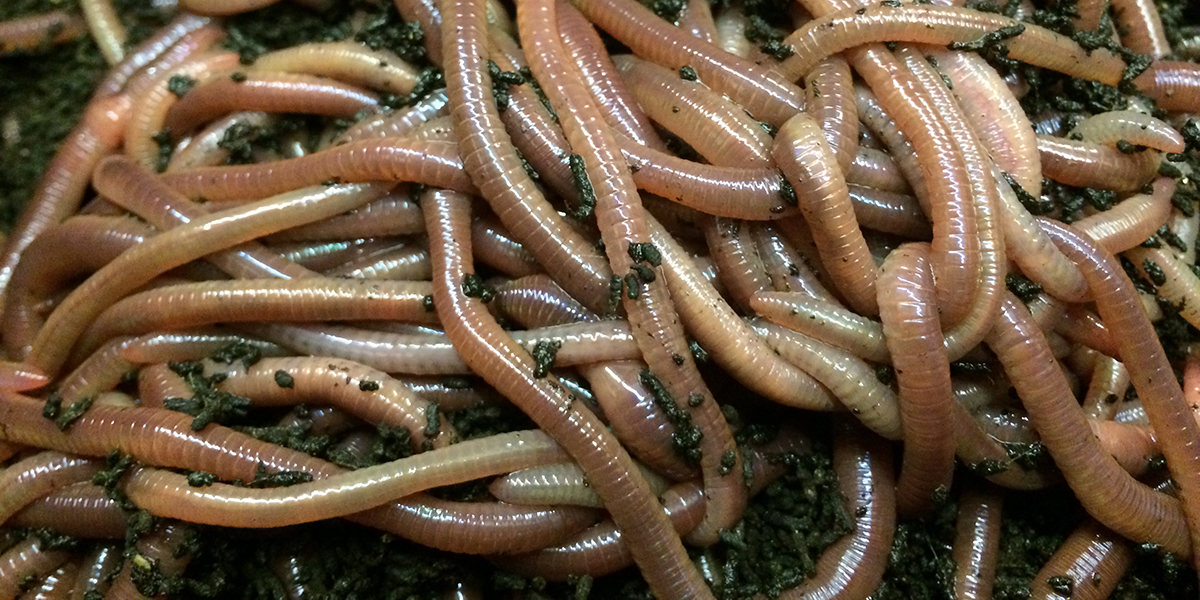
Image of african night crawler
- African night crawlers in a compost bin. The worms are dark brown and about 6 inches long. They are crawling around in the compost, which is a mixture of organic materials such as food scraps, leaves, and manure.
- A close-up of an African night crawler. The worm is smooth and shiny, with a dark brown stripe down its back. Its head is small and pointed, and its tail is long and tapered.
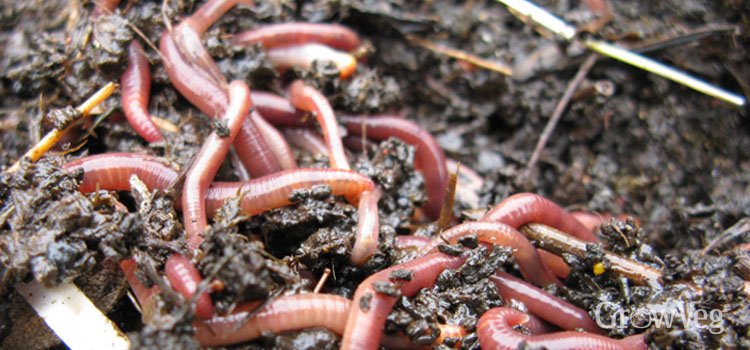
- A group of African night crawlers on a piece of wood. The worms are all facing the same direction, and their bodies are slightly curled up. They are a light brown color, with a few darker stripes.
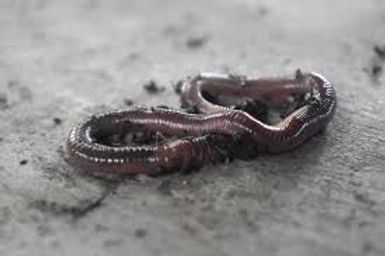
- An African night crawler emerging from the soil. The worm is about 4 inches long and dark brown in color. It is covered in a layer of mucus, which helps it to slide through the soil.
- An African night crawler crawling on a leaf. The worm is about 3 inches long and dark brown in color. It is slowly crawling across the leaf, leaving a trail of mucus behind it.
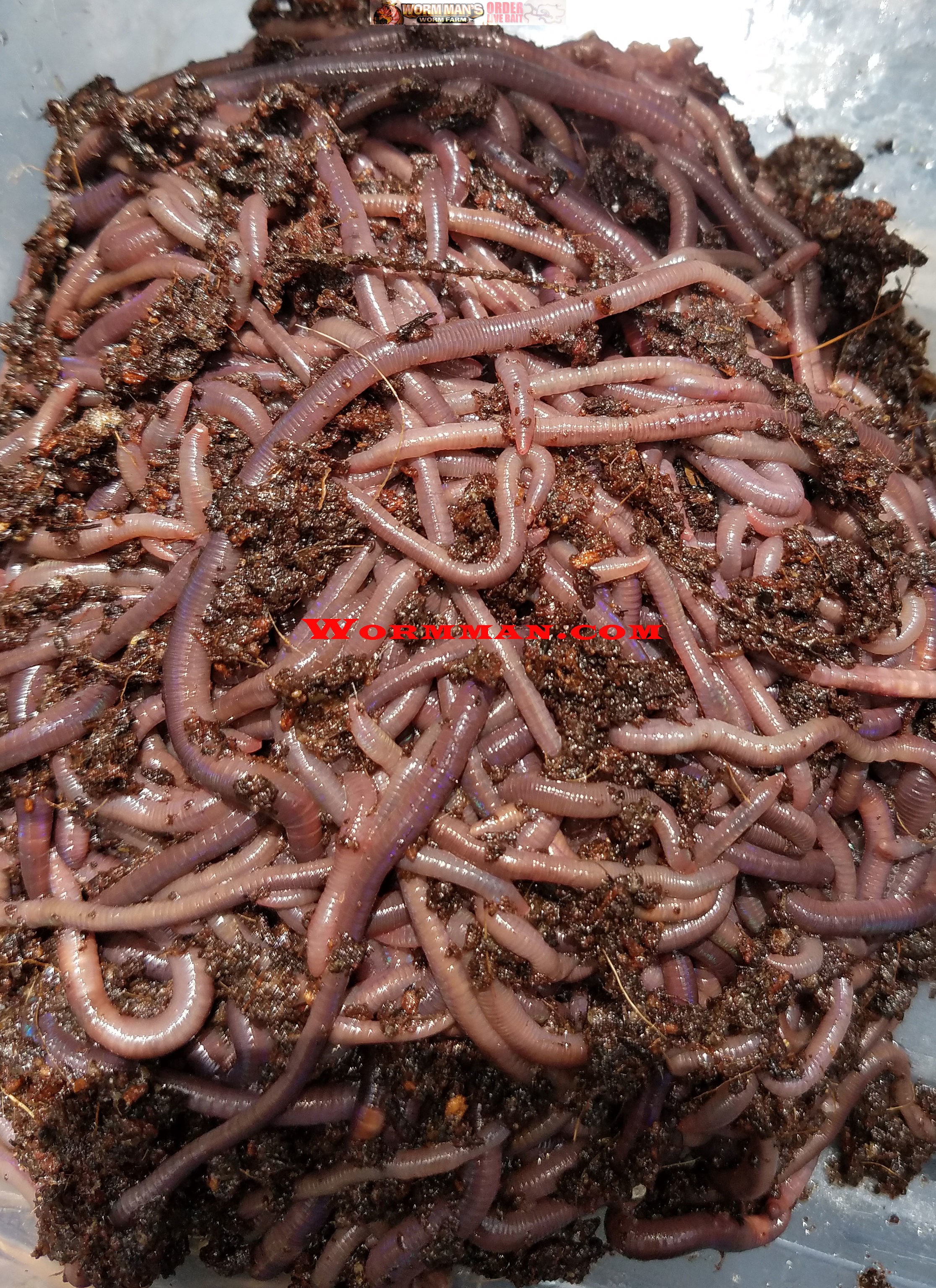
- A group of African night crawlers in a bucket. The worms are all different sizes, from about 2 inches to 6 inches long. They are dark brown in color, with a few lighter stripes.

- An African night crawler eating a piece of fruit. The worm is about 4 inches long and dark brown in color. It is wrapped around a piece of apple, and its mouth is open wide as it eats.
- An African night crawler laying eggs. The worm is about 3 inches long and dark brown in color. It is curled up in a ball, and a cluster of eggs is visible at the end of its body.
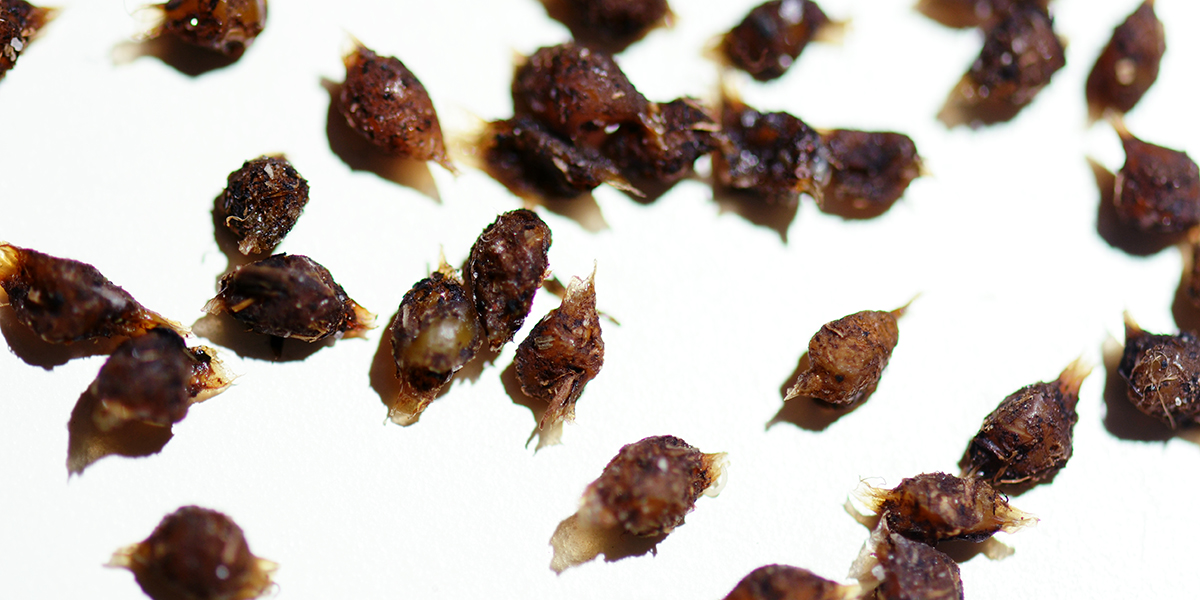
- A baby African night crawler. The worm is about 1 inch long and dark brown in color. It is slightly translucent, and its body is smooth and shiny.

- A cluster of African night crawler cocoons. The cocoons are about 1 inch long and dark brown in color. They are attached to a piece of wood, and each one contains a single egg.


Post a Comment for "African Night Crawlers: The Best Bait For"